Tubed vs Tubeless Motorcycle Tyres: Which is Right For Your Bike?

Tips & Advice
a picture of Ari who is the owner of Tyreman M/C
Author
Ari Kypuros Owner & Founder of Tyreman M/C
10 mins July 24, 2026
tubed and tubeless tyres

Most riders don’t think about whether their tyres are tubed or tubeless until something goes wrong on the side of the road. By then it’s too late to choose. The truth is, this decision usually isn’t really a decision at all, it’s dictated by your wheel and rim design, but understanding the difference still matters for how you ride, how you handle a puncture, and what you should be checking before every trip.

At Tyreman M/C, this comes up constantly when riders are upgrading wheels, switching bike types, or just trying to understand why their mate’s tyre got them home after a nail in the tread and theirs didn’t.
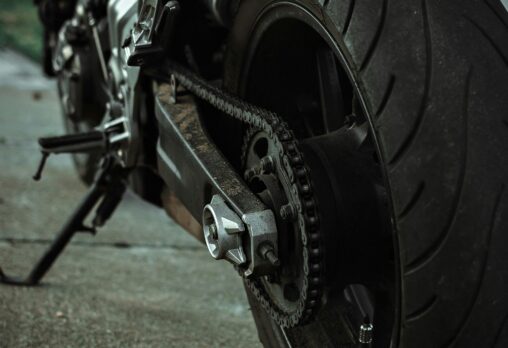
Tyre construction explained

Tube type tyres use a separate inner tube to hold pressure, common on spoked wheels where spoke nipples would otherwise leak air. We stock tubes to match your rim and tyre, and check them with every replacement.

Tubeless tyres seal directly against the rim, no tube needed, but only on rims built for it, usually cast or forged wheels. 

The right choice depends on your wheels, and running the wrong type is a safety issue, not a minor mismatch. Bring it in and we’ll check your setup and fit the right combination.

Tubed vs tubeless motorcycle tyres in practice

One of the biggest differences between tube-type and tubeless motorcycle tyres comes down to what happens when you get a puncture.

With a tube-type tyre, a puncture usually causes the inner tube to lose air rapidly. Because the tube is pierced directly, pressure can drop quickly, increasing the likelihood of a sudden flat tyre. This can make the motorcycle more difficult to control, particularly if you’re travelling at higher speeds.

Tubeless tyres behave differently. When punctured by a small object such as a nail or screw, the tyre often loses air more gradually. In many cases, the object remains lodged in the tread, slowing the rate of air loss and giving riders more time to notice the problem and pull over safely. While every puncture is different, this slower deflation is one of the key reasons many riders prefer tubeless tyres for everyday road use.

Tubeless tyre benefits for motorcycle riders

Beyond puncture behaviour, there are a few practical benefits worth knowing:

  • Slower pressure loss after a puncture, giving more warning before the tyre becomes unsafe to ride on.
  • Simpler roadside repairs in many cases, since a tubeless plug kit can often get you moving again without removing the wheel.
  • No tube to pinch or fold during fitting, which removes one common cause of premature tube failure.
  • Slightly reduced unsprung weight in some setups, since there’s no separate tube adding mass inside the tyre.

None of this means tube type tyres are outdated or inferior. Spoked wheels remain the standard on a huge range of adventure, dual-sport, and classic-style bikes for good reason, they’re strong, repairable, and suited to rougher terrain. The tube is simply part of how that wheel design works.

So which is right for your bike?

For most riders, this question is already answered by the wheels currently on the bike. Cast wheels are built for tubeless tyres. Spoked wheels, unless specifically sealed for tubeless use, need a tube.

Where it becomes a genuine decision is if you’re considering a wheel upgrade, moving from spoked to cast wheels, or looking at tubeless-compatible spoked wheels, which do exist and combine the strength of a spoked design with a rim sealed to run tubeless. These cost more, but for riders doing long-distance or off-road work where puncture behaviour really matters, it’s often worth the investment.

If you’re not sure what your current wheels are set up for, don’t guess. Running a tubeless tyre on a rim that isn’t built for it, or assuming a tube isn’t needed when it is, creates a real risk of sudden air loss.

Bring the bike into Tyreman M/C, and we’ll check your wheel and rim setup, confirm what tyre type you actually need, and talk you through the right options if you’re considering a change. It’s a five-minute check that removes any guesswork before your next fitting.