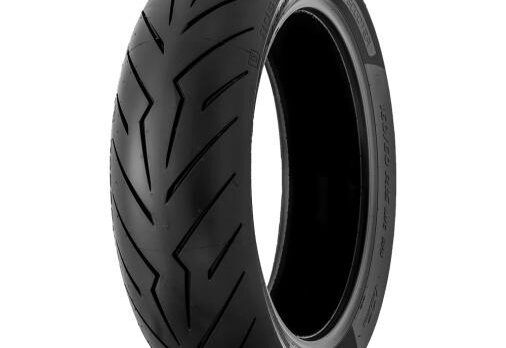
Pirelli Diablo Rosso IV for Street Riding: Is It Worth the Upgrade?

Tips & Advice
a picture of Ari who is the owner of Tyreman M/C
Author
Ari Kypuros Owner & Founder of Tyreman M/C
15 mins July 24, 2026
Tyre Pirelli Diablo Rosso

Swapping tyres is one of the few upgrades that changes how a bike feels the moment you roll out of the driveway. The Pirelli Diablo Rosso IV has built a reputation as a sport-touring tyre that holds its own on twisty roads without punishing you on the daily commute. Whether you’re looking for a Pirelli Diablo Rosso IV Front 120/70 ZR17 or a Pirelli Diablo Rosso IV Rear 190/55 ZR17, choosing the correct size for your motorcycle is just as important as choosing the tyre itself.

At Tyreman M/C, this is one of the questions we get asked most often through the colder months, so it’s worth working through properly rather than just going on brand reputation.
What the Diablo Rosso IV actually changes

The Rosso IV uses a dual-compound design, with a harder compound down the centre for mileage and a softer compound on the shoulders for cornering grip. This isn’t a new idea, most sport-touring tyres do something similar, but Pirelli’s version is tuned to bring grip online faster and hold it longer through mid-corner lean.

For a rider coming off a worn set of OEM tyres, the difference is noticeable within the first ride. Turn-in is sharper, mid-corner confidence improves, and the tyre communicates more clearly when it’s approaching the edge of grip. For a rider coming off another premium sport-touring tyre, the gains are smaller and come down to personal preference in feel rather than a measurable jump in performance.

Cold weather motorcycle tyres and why it matters here

This is where the upgrade decision gets more interesting. Cold weather motorcycle tyres face a specific challenge: rubber compounds are formulated to reach peak grip within an ideal temperature window, and outside that window, performance drops off. Ride on a cold tyre before it had a chance to warm through, and you’re working with a fraction of the available grip.

The Rosso IV’s compound is designed to reach working temperature faster than a lot of tyres in its class, which matters most in the shoulder blocks used for cornering. 

Popular fitments such as the Pirelli Diablo Rosso IV Rear 180/55 ZR17 and 190/55 ZR17 deliver the same compound technology, allowing riders across a wide range of sports bikes to benefit from improved warm-up and predictable grip.

Motorcycle tyre warm up: what actually helps

Motorcycle tyre warm is about a few kilometres of upright, moderate riding before you start leaning the bike over hard. Braking and accelerating in a straight line builds heat through the centre of the tyre, but it’s gentle, progressive lean angle that brings the shoulder compound up to temperature.

A few things speed this up:

  • Avoid heavy lean angles for the first five to ten minutes of a cold start.
  • Keep tyre pressures correct. Underinflated tyres flex more and generate uneven heat; overinflated tyres reduce the contact patch and slow warm-up further.
  • Don’t assume a warm engine means a warm tyre. They heat up on completely different timelines.

Winter motorcycle riding grip

Winter motorcycle riding grip comes down to three variables: tyre compound, road surface temperature, and how much time you give the tyre to reach working temperature before asking much of it. The Rosso IV doesn’t remove the need for caution in winter, no street tyre does, but it does narrow the gap between a cold tyre and a working one.

Riders doing genuine cold-climate commuting through winter, rather than occasional cool mornings, should also look at tyre pressure adjustments and consider whether a dedicated cold-weather compound tyre suits their riding better than a sport-touring option. The Rosso IV is a strong all-rounder, not a specialist cold-weather tyre. If you’re not sure which category your riding falls into, the team at Tyreman M/C can talk you through it based on your bike, your commute, and how much of your riding actually happens in the cold.

Tyre temperature and traction: the underlying principle

Tyre temperature and traction are directly linked, and this is true regardless of tyre brand or model. Rubber compounds have an optimal temperature range where the molecular structure of the rubber grips the road surface most effectively. Below that range, the compound is harder and less able to conform to small imperfections in the road. Above it, the compound softens too much and wears faster, with grip actually declining again at extreme temperatures.

This is why tyre choice and riding style need to match. A tyre that reaches temperature quickly suits riders who do a lot of short trips or cold starts. A tyre built for sustained high-speed touring may need longer to reach its ideal window but hold it more consistently once there.

Is it worth the upgrade?

If you’re riding on worn tyres, doing a mix of commuting and weekend riding, and dealing with genuinely cold mornings for part of the year, the Diablo Rosso IV is a solid upgrade. The faster warm-up and clearer feedback at the limit are real, practical benefits, not marketing claims.

If you’re already on a comparable premium tyre and happy with how it performs, the upgrade is more about preference than necessity. In that case, it’s worth waiting until your current set is due for replacement rather than swapping early.

Either way, no tyre replaces good habits. Give it time to warm up, check your pressures, and ride to the conditions you’re actually in, not the conditions you wish you had.

Conclusion

If you’re ready to make the switch, explore our range of Pirelli Diablo Rosso IV tyres, including popular front and rear fitments like the 120/70 ZR17 Front, 180/55 ZR17 Rear and 190/55 ZR17 Rear. If you’re unsure which size suits your bike, drop into Tyreman M/C and we’ll recommend the right option, fit the tyres correctly, set your pressures and get you ready for your next ride.