Riding in the Wet: How Tyres Impact Braking and Cornering

Tips & Advice
a picture of Ari who is the owner of Tyreman M/C
Author
Ari Kypuros Owner & Founder of Tyreman M/C
15 mins March 13, 2026
Motorcycle Tyres Impact Braking

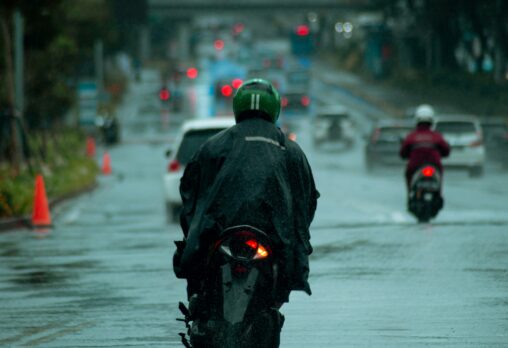
Riding a motorcycle in wet conditions presents unique challenges. Rain reduces traction, increases stopping distances, and makes road surfaces more unpredictable. In these situations, the performance and condition of your tyres play a critical role in maintaining control and safety.

Understanding how motorcycle tyres grip in rain can help riders adjust their braking and cornering techniques to suit the conditions. Tyre tread design, rubber compounds, and overall tyre condition all influence how well a motorcycle performs on wet roads. Keeping your tyres in good condition is one of the most effective ways to improve confidence and safety when riding in the rain.

How Motorcycle Tyres Grip in Rain

Motorcycle tyres maintain traction by keeping as much rubber in contact with the road as possible. In wet conditions, water creates a thin film between the tyre and the surface, which can reduce grip. To counter this, tyres are designed with grooves and tread patterns that channel water away, helping the tyre maintain contact with the road.

Tyre construction also plays an important role. Many modern motorcycle tyres use advanced rubber compounds that remain flexible in cooler temperatures, allowing them to grip more effectively on wet roads. At Tyreman M/C, selecting tyres with strong wet-weather performance is a key consideration when helping riders choose the right tyres for their bike and riding style.

However, tyre condition makes a significant difference. Worn tyres with shallow tread cannot disperse water as efficiently, increasing the risk of losing traction or hydroplaning, where the tyre briefly rides on top of the water rather than gripping the surface.

Correct tyre pressure is also essential. If pressure is too high or too low, the tyre’s contact patch can be reduced, which may limit grip and stability in wet riding conditions

Tyre Tread for Wet Riding

Tyre tread plays a critical role in maintaining grip on wet roads. The grooves in a tyre help channel water away from the contact patch, allowing the rubber to stay in contact with the road surface.

Key things to know:

  • Tread grooves disperse water to maintain traction in wet conditions.
  • Deeper tread patterns improve grip and reduce the risk of hydroplaning.
  • Touring and sport-touring tyres are often designed for stronger wet-weather performance.
  • Worn tyres lose effectiveness, as shallow tread cannot clear water quickly enough.
  • Regular tyre checks are essential to ensure safe tread depth for wet riding.

If tread wear becomes excessive, replacing the tyre early helps maintain safe performance in wet conditions.

Braking Performance in Wet Conditions

Wet roads can significantly affect braking performance, making it essential for riders to adapt their riding style. Compared to dry conditions, braking distances are often much longer in the rain due to reduced traction.

Tyres are the only part of the motorcycle in contact with the road, meaning their condition has a direct impact on stopping power. Tyres with adequate tread depth and suitable rubber compounds provide better grip during braking and help maintain stability.

Smooth and progressive braking is especially important when riding in wet weather. Sudden braking can overwhelm available traction and lead to wheel lock or loss of control.

To improve braking safety in the rain, riders should:

  • Increase following distance from other vehicles
  • Begin braking earlier than usual
  • Apply brake pressure gradually and smoothly
  • Avoid sudden inputs that could upset the bike’s balance

Even motorcycles equipped with ABS still rely heavily on tyre grip to function effectively.

Motorcycle Tyre Cornering in Wet Conditions

Cornering in wet conditions requires additional care because the available grip is reduced. When a motorcycle leans into a turn, the contact patch between the tyre and the road becomes smaller. On a wet surface, this makes the tyre more susceptible to slipping.

This is why motorcycle tyre cornering in wet conditions depends heavily on smooth rider inputs and tyre quality. Tyres designed for wet performance can help maintain stability through corners and provide more predictable handling.

When riding in the rain, it is generally best to reduce cornering speed and lean angle. Smooth throttle control and gentle steering inputs will help maintain traction.

Riders should also be aware of common hazards that become more slippery when wet, such as painted road markings, metal covers, tram tracks, and fallen leaves. These surfaces can reduce grip dramatically and should be approached with caution.

Signs Your Tyres May Not Be Safe for Wet Riding

Knowing when tyres need attention is essential for safe riding, especially in wet conditions. Several warning signs can indicate that tyres may no longer provide sufficient grip.

These include:

  • Low tread depth
  • Uneven or irregular wear
  • Cracks or ageing rubber
  • Incorrect tyre pressure

If any of these issues are present, having the tyres inspected by a professional can help ensure they remain safe and reliable.

Wet weather riding places extra demands on both rider skill and motorcycle components. Tyres play the most important role in maintaining traction, influencing both braking performance and cornering stability.

Understanding how motorcycle tyres grip in rain, maintaining proper tread depth, and ensuring tyres are in good condition can significantly improve safety when riding in wet conditions.

At Tyreman M/C, experienced technicians help riders choose the right tyres for their motorcycle and riding conditions, including options designed to perform reliably in wet weather. Regular inspections and professional tyre fitting can make a noticeable difference in how confidently your bike handles changing road conditions.