How to Read Motorcycle Tyre Markings Without the Jargon

Motorcycle Tyres Tips & Advice
a picture of Ari who is the owner of Tyreman M/C
Author
Ari Kypuros Owner & Founder of Tyreman M/C
10 mins February 23, 2026
Motorcycle Tyre Markings

If you’ve ever looked at your motorcycle tyres and wondered what all the numbers and letters mean, you’re not alone. Motorcycle tyre markings can look technical and confusing at first glance. But once you understand how to read them, they become a simple guide to choosing the right tyre for your bike.

Every motorcycle tyre sidewall contains important information about size, construction, load capacity and speed rating. These motorcycle tyre codes aren’t random – they help ensure your bike handles safely, performs properly and stays compliant with manufacturer recommendations.

Here’s how to read them without the jargon.
Where to Find Motorcycle Tyre Markings

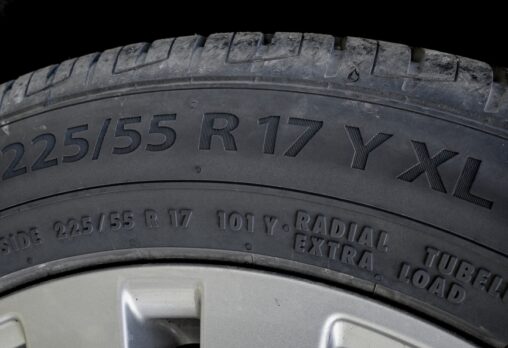
All essential information is printed on the motorcycle tyre sidewall – the outer wall of the tyre between the tread and the rim.

You’ll typically find:

  • Tyre size
  • Load index
  • Speed rating
  • Construction type (radial or bias)
  • Manufacturing date (DOT code)
  • Direction of rotation
  • Tubeless or tube-type marking

These motorcycle tyre markings are standardised across brands, so once you understand the format, you can read almost any tyre.

Breaking Down Motorcycle Tyre Size Codes

Let’s look at a common example:

120/70 ZR17

This is one of the most important motorcycle tyre codes, and it tells you four key things.

Tyre Width (120)

The first number refers to the tyre’s width in millimetres.

In this case, the tyre is 120mm wide from sidewall to sidewall. This must match your motorcycle manufacturer’s specification unless professionally advised otherwise.

Aspect Ratio (70)

The second number is the aspect ratio. This is the tyre’s height expressed as a percentage of its width.

So in 120/70:

  • 70% of 120mm = the tyre’s sidewall height.

A lower number means a shorter sidewall, which usually provides sharper handling. A higher number means a taller sidewall, often offering more comfort.

Construction Type (R)

The letter indicates how the tyre is built.

  • R = Radial construction (most modern motorcycles)
  • B = Bias-belted construction
  • Sometimes no letter = traditional bias-ply

Radial tyres generally provide better stability and heat management at higher speeds.

Rim Diameter (17)

The final number shows the wheel diameter in inches.

In this case, the tyre fits a 17-inch rim. This measurement must match your wheel exactly — it cannot be changed.

What Do Load Index and Speed Ratings Mean?

After the size code, you’ll usually see something like:

58W

These are just as important as the size.

Load Index (58)

The load index is a number that corresponds to the maximum weight the tyre can safely carry.

Each number matches a load chart used by manufacturers. Fitting a tyre with a lower load index than recommended can affect safety and may void insurance or warranty conditions.

Speed Rating (W)

The letter represents the tyre’s maximum safe operating speed under proper load.

For example:

  • W-rated tyres are approved for high-speed performance
  • Lower letters indicate lower speed capabilities

Even if you don’t ride at top speeds, the correct speed rating ensures the tyre performs as designed.

Understanding Other Common Motorcycle Tyre Sidewall Markings

In addition to size and load ratings, your motorcycle tyre sidewall includes key details that affect safety and fitment.

DOT Code (Manufacture Date)
The last four digits of the DOT code show when the tyre was made. For example, 3523 means week 35 of 2023. This helps you check the tyre’s age.

Rotation Arrow
Directional tyres have an arrow indicating correct rotation. Fitting it the wrong way can impact grip and wet-weather performance.

TL or TT

  • TL = Tubeless
  • TT = Tube Type

Make sure this matches your wheel setup.

M/C Marking
Confirms the tyre is designed specifically for motorcycles.

Maximum Pressure
The sidewall shows maximum cold pressure, but always follow your motorcycle manufacturer’s recommended tyre pressure for safe riding.

Tyre Sidewall Markings

Why Motorcycle Tyre Markings Matter for Safety

Understanding motorcycle tyre markings isn’t just about curiosity – it’s about safety.

Incorrect tyre sizing or load ratings can lead to:

  • Unstable handling
  • Poor braking performance
  • Increased tyre wear
  • ABS or traction control issues
  • Insurance complications

Modern motorcycles are engineered with very specific tyre specifications in mind. Even small changes can alter how the bike performs.

If you’re unsure whether a tyre matches your bike’s requirements, it’s always safer to confirm before fitting.

When to Ask a Professional for Help

While understanding motorcycle tyre markings helps you make informed decisions, some situations require expert guidance. That’s where Tyreman M/C’s professional experience makes the difference.

You should seek professional advice if:

  • You’re considering changing the tyre size from the manufacturer’shttps://tyremanmc.com.au/ specifications
  • You’re upgrading to a different tyre type or performance category
  • Your motorcycle tyre sidewall markings are worn or difficult to read
  • You’re unsure about the correct load index or speed ratings
  • You regularly ride two-up or carry additional weight

At Tyreman M/C, our team doesn’t just read motorcycle tyre codes – we assess your motorcycle, riding style and usage to ensure complete compatibility. We confirm correct sizing, load and speed requirements, then professionally fit, balance and set pressures to manufacturer standards.

Motorcycle tyre markings may follow a standard format, but applying them correctly to your specific bike requires technical knowledge. With Tyreman M/C’s specialised expertise, you can be confident your tyres are selected and fitted for optimal safety, handling and long-term performance.